
Asbestos Testing Services
Asbestos-containing materials can be found in many older homes, particularly in insulation, flooring, ceiling finishes, heating systems and other building products. The Barrie Home Inspector provides asbestos sampling and laboratory testing to help identify suspected materials before renovations or when purchasing an older home.
Certified Asbestos Laboratory Testing
Suspected asbestos-containing materials cannot be positively identified by visual inspection alone. A sample of the material must be carefully collected and submitted to a qualified laboratory, where specialized microscope is used to determine whether asbestos fibres are present. Laboratory analysis is the reliable way to confirm whether a building material contains asbestos and can be particularly important before renovations or when purchasing an older home.
What Is Asbestos?
Asbestos is a naturally occurring mineral made up of microscopic fibres. It was widely used in building materials because of its strength, durability and resistance to heat and fire. Asbestos may be present in many materials found in older homes, including insulation, flooring, ceiling finishes, cement products and components associated with heating systems.
Asbestos-containing materials that are in good condition and left undisturbed may present little risk. The concern increases when materials are damaged, deteriorating, cut, drilled, sanded or removed, which can release asbestos fibres into the air.
Where Asbestos May Be Found in Older Homes
Asbestos was used in many residential building products, particularly in homes constructed or renovated before the 1990s. Potential asbestos-containing materials may include vermiculite insulation, pipe and duct insulation, vinyl floor tiles and adhesives, textured ceiling finishes, drywall joint compound, cement siding and roofing products, and heat-resistant materials around furnaces, boilers, fireplaces and wood stoves.
The presence of one of these materials does not mean that it contains asbestos. Similar-looking products were manufactured both with and without asbestos, which is why laboratory testing is required for positive identification.
Health Risks of Asbestos Exposure
When asbestos-containing materials are damaged or disturbed, microscopic fibres can become airborne and may be inhaled. Long-term or repeated exposure to airborne asbestos fibres has been associated with serious diseases, including asbestosis, lung cancer and mesothelioma. These illnesses can take many years to develop.
Asbestos-containing materials that are in good condition and left undisturbed generally present less risk than materials that are deteriorating or being disturbed. Before cutting, drilling, sanding, removing or renovating suspected materials, laboratory testing should be considered so the material can be properly identified.
In Ontario, work involving asbestos-containing materials is regulated and classified as Type 1, Type 2 or Type 3 depending on the material and the work being performed. Specific precautions and procedures are required when asbestos-containing materials are handled, disturbed or removed to help prevent asbestos fibres from becoming airborne and protect workers and occupants.
Asbestos Testing in Century and Older Homes
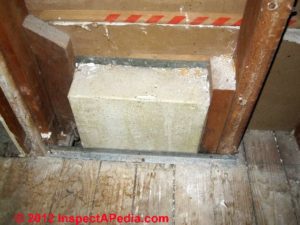 Century homes and other older houses may contain asbestos-containing materials from original construction or from renovations completed decades later. Materials such as vermiculite attic insulation, pipe and boiler insulation, floor tiles, textured ceilings, drywall compounds and older heating-system components may warrant further investigation.
When purchasing or renovating an older home, suspected materials can be sampled and submitted for laboratory analysis before they are disturbed. Knowing whether asbestos is present can help homeowners plan renovations safely and determine when qualified asbestos-removal professionals may be required.
Asbestos Sampling and Laboratory Testing
When a material is suspected of containing asbestos, a small representative sample can be carefully collected and sent to a qualified laboratory for analysis. The laboratory uses a specialized microscope to examine the sample and identify asbestos fibres that cannot be reliably identified by sight alone.
Laboratory results can confirm whether asbestos is present and, when applicable, identify the type and percentage of asbestos in the material. This information can help homeowners make informed decisions about renovation, repair or removal and determine whether an asbestos-abatement professional should be consulted.
Need Asbestos Testing?
If you have a material in your home that may contain asbestos, testing can provide the information needed before renovation, repair or removal. The Barrie Home Inspector can collect samples of suspected materials and have them analyzed by a qualified laboratory to determine whether asbestos is present.
Contact us to discuss asbestos testing in Barrie and surrounding areas or to arrange sampling and laboratory analysis.
Call or Email to Book Your Asbestos Testing
Contact The Barrie Home Inspector to arrange asbestos sampling and laboratory testing in Barrie and surrounding areas. Call or email to discuss the suspected material and arrange a convenient time for testing.
The Barrie Home Inspector is available 7 Days a Week for your convenience.
Inspection Areas
Barrie • Alliston • Angus • Innisfil • Wasaga Beach • Orillia • Midland • Penetanguishene