Electrical Defects Found During Home Inspections
Electrical defects are among the most common problems found during home inspections. Problems can range from improperly installed wiring and damaged electrical components to outdated wiring systems and defects within the electrical panel. Identifying these conditions is an important part of understanding the electrical system and determining when further evaluation or repairs by a qualified electrician may be required.
Common Electrical Defects Found During Home Insepctions
Exposed electrical connections in junction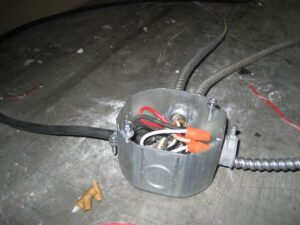 box.[/caption]Electrical systems contain many components that can develop problems through age, damage, improper installation or modifications made over the years. During a home inspection, the electrical service, panels, visible wiring, receptacles, switches and other accessible components are examined for defects and conditions that may affect safety or proper operation.
Common findings include loose or damaged wiring, improper connections, double-tapped breakers, missing covers, damaged receptacles, reversed polarity, ungrounded circuits and improper GFCI protection.
Electrical Panel Defects
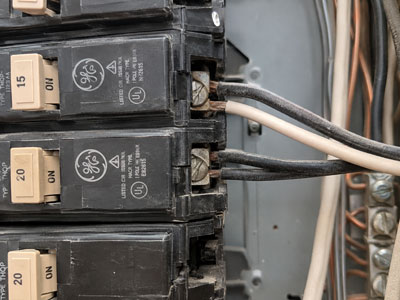
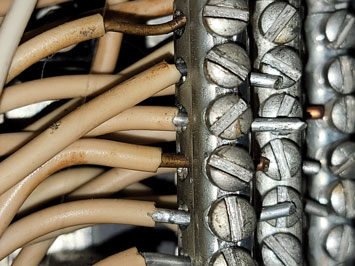
The electrical panel is one of the most important areas examined during a home inspection. Defects can include loose or improperly connected wiring, double-tapped breakers, damaged components, missing knockouts, improper bonding or grounding and signs of overheating. The panel is also checked for modifications or conditions that may indicate work was not completed using accepted electrical practices.
This electrical panel had two wires connected to a single circuit breaker, an improper connection identified during the home inspection. This is commonly known as a "Double Tap" and is only permitted in panels designed for two connections.
Service Panel Size
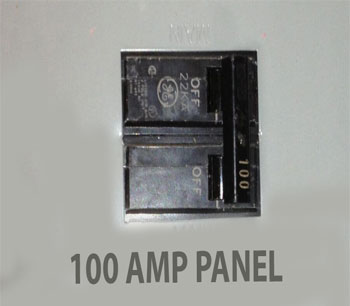
The electrical service size determines how much electrical power is available to the home. During a home inspection, the service equipment and main disconnect are examined to help determine the amperage of the electrical service. Older homes may have smaller services, while modern homes commonly have larger electrical services to accommodate increased electrical demands.
The size of the main breaker alone does not always determine the service capacity. The service conductors, electrical panel and other components must also be considered when evaluating the electrical service.
Aluminum Wiring
Aluminum branch-circuit wiring was commonly installed in homes during the late 1960s and 1970s. Aluminum wiring requires particular attention because it expands and contracts differently than copper and connections can loosen over time. Loose or improper connections may result in overheating at receptacles, switches and other electrical components.
During a home inspection, visible aluminum wiring and accessible connections are identified where possible. The presence of aluminum wiring does not necessarily mean the electrical system is unsafe, but the condition of the wiring and the methods used for connections are important. Further evaluation by a qualified electrician may be recommended when concerns are identified.
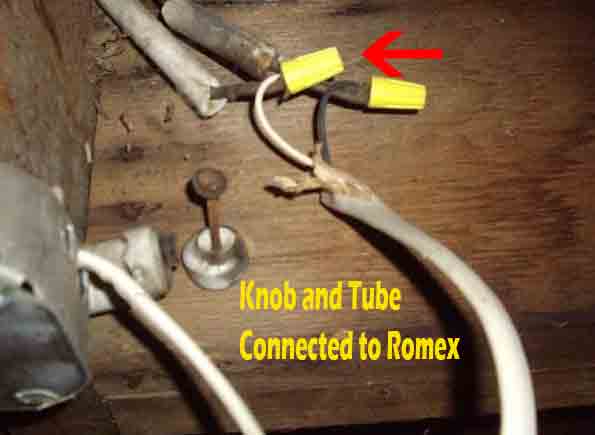
Knob & Tube Wiring
Knob and tube wiring is an older electrical wiring system commonly found in homes built from the late 1800s through the early part of the 20th century. The individual conductors are separated and supported by porcelain knobs and pass through wood framing using porcelain tubes.
The presence of knob and tube wiring does not automatically mean the wiring is defective, but its age, condition and any alterations made over the years are important considerations. Problems may include damaged insulation, improper connections, modifications to the original wiring and insulation installed around the conductors. When knob and tube wiring is found during a home inspection, further evaluation by a qualified electrician may be recommended.
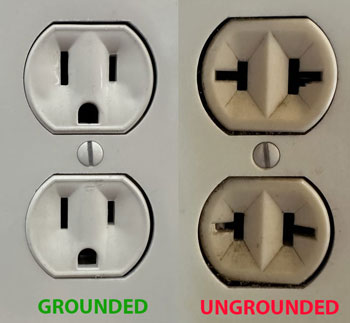
Ungrounded Electrical Outlets
Ungrounded electrical outlets are commonly found in older homes where the original wiring system did not include a grounding conductor. In some homes, older two-prong receptacles have been replaced with three-prong receptacles even though no electrical ground is present.
A three-prong outlet does not necessarily mean the receptacle is properly grounded. During a home inspection, accessible receptacles are tested for proper wiring and grounding. Ungrounded or improperly wired receptacles should be evaluated and corrected as required by a qualified electrical contractor.
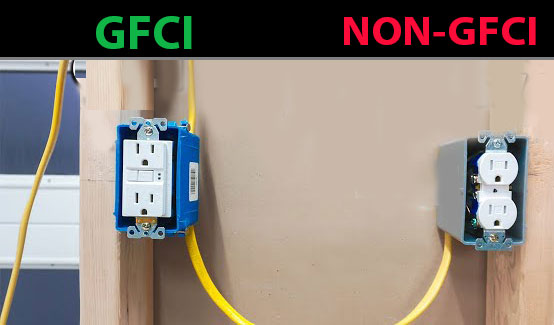
Missing GFCI Protection
Ground Fault Circuit Interrupter (GFCI) protection is an important electrical safety feature designed to reduce the risk of electric shock. GFCI protection is commonly required in locations where electrical outlets are near water or exposed to damp conditions.
During a home inspection, accessible receptacles are tested for GFCI protection where appropriate. Missing or improperly functioning GFCI protection is a common electrical defect, particularly in older homes that have not had their electrical systems updated. Installation or correction should be performed by a qualified electrical contractor.
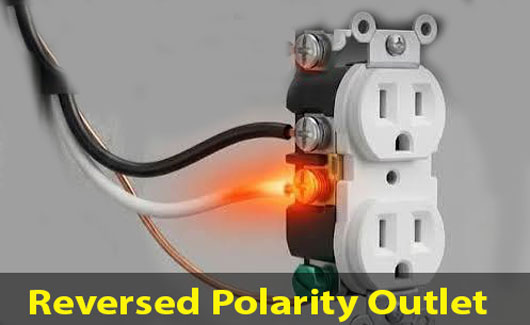
Reversed Polarity at Outlet
Reversed polarity occurs when the hot and neutral wires are connected to the wrong terminals of an electrical receptacle. Although the outlet may appear to operate normally, this wiring defect can create a potential shock hazard when appliances or electrical equipment are connected.
During a home inspection, accessible receptacles are tested for common wiring defects, including reversed polarity. Receptacles found with incorrect polarity should be properly wired by a qualified electrical contractor.
Damaged Electrical Outlets
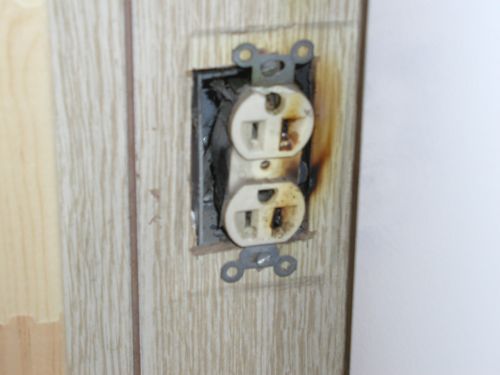
Damaged, loose or broken electrical outlets and switches are common defects found during home inspections. Cracked receptacles, loose switches and damaged electrical components can expose energized parts or result in poor electrical connections.
Accessible outlets and switches are visually inspected and tested during the home inspection. Damaged or loose electrical components should be repaired or replaced by a qualified electrical contractor to prevent shock, arcing or overheating.
Learn More About Home Inspections
Explore more examples of defects found during home inspections, including Structural Defects, Roofing Defects, Heating Defects, Insulation Defects and Thermal Imaging. These pages provide more examples and information from actual home inspections in Barrie and surrounding areas.
Call or Email to Book Your Home Inspection
The Barrie Home Inspector is available 7 Days a Week for your convenience.
Inspection Areas
Barrie • Alliston • Angus • Innisfil • Wasaga Beach • Orillia • Midland • Penetanguishene