
Century Home Inspection
Century homes have character and craftsmanship that can be difficult to find in newer houses, but they can also contain building materials and systems that have been in place for many decades.
A century home inspection requires an understanding of older construction methods as well as the changes and renovations that may have occurred throughout the life of the home. Some components may have been completely replaced, while others may still be original.
Particular attention should be given to knob and tube wiring, galvanized plumbing and materials that may contain asbestos. Structural alterations, foundations, heating systems, insulation, moisture and previous renovations can also reveal important information about the condition of an older home.
With more than 20 years of experience and over 9,000 home inspections completed, The Barrie Home Inspector has extensive experience inspecting older and century homes.
Knob and Tube Wiring in Century Homes
Knob and tube wiring is commonly found in homes built from the late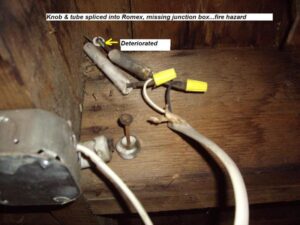 1800s through the early decades of the 1900s. While some systems may still be functioning, the wiring is now many decades old and may have been altered or extended over the years.
During a century home inspection, visible knob and tube wiring is an important finding. Older wiring may have deteriorated insulation, improper modifications or connections to newer electrical systems. Insulation added to walls and attics can also affect wiring that was originally installed in open spaces.
The presence of knob and tube wiring can also be a concern for home buyers because some insurance companies may have specific requirements regarding older electrical systems. When it is found, further evaluation by a qualified electrical contractor may be recommended.
Galvanized Plumbing in Century Homes
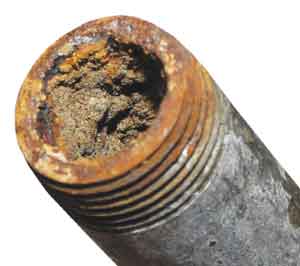
Galvanized steel water supply piping was commonly installed in older homes before copper and modern plastic piping became widely used. Although galvanized piping can remain in service for many years, corrosion develops inside the pipes as they age.
Internal corrosion can gradually restrict the diameter of the pipe, reducing water flow and pressure. Older galvanized piping may also develop leaks at fittings, joints or deteriorated sections of pipe.
During a century home inspection, the visible plumbing system is examined to identify galvanized piping and signs of deterioration, leakage or previous replacement. Many older homes contain a mixture of original galvanized piping and newer plumbing installed during renovations.
Identifying the remaining older piping helps a home buyer understand what is still in the home and what may eventually require replacement.
Asbestos in Century Homes
The presence of a material that may contain asbestos cannot normally be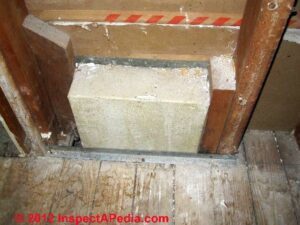 confirmed by visual inspection alone. Where suspect materials are observed, laboratory testing is required to determine whether asbestos is actually present.
During a century home inspection, materials that are commonly associated with asbestos can be identified so the home buyer is aware of them. This can be particularly important when renovations or demolition are being considered, since disturbing asbestos-containing materials can release fibres into the air.
The presence of asbestos-containing material does not necessarily mean that it must immediately be removed. Its condition, location and the likelihood that it will be disturbed are important considerations.
Structural Concerns in Century Homes
Century homes were built using construction methods and materials that can differ considerably from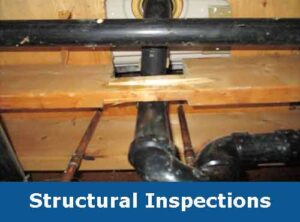 modern homes. Foundations may be constructed of stone, brick or early concrete, while floor and roof framing may use heavy timber, rough-sawn lumber or construction techniques that are no longer commonly used.
Over the life of an older home, structural components may also have been altered. Walls may have been removed, openings enlarged, additions constructed or beams and columns changed to accommodate renovations. Not all of these alterations were necessarily completed using modern construction practices.
During a century home inspection, attention is given to visible signs of movement, settlement, damaged or altered framing, inadequate support and previous structural repairs.
Some movement and unevenness can be expected in a home that has stood for more than 100 years. The important part is recognizing the difference between typical conditions found in an older home and evidence that may warrant further investigation.
Heating Systems, Chimneys & Fireplaces
Century homes may contain older heating equipment, chimneys and fireplaces that have been modified many times over the life of the home. Original heating systems may have been replaced, while older components such as masonry chimneys, abandoned flues or piping may remain.
During a home inspection, visible heating equipment and chimneys are examined for signs of deterioration, improper alterations and other conditions that may affect safe operation. Older masonry chimneys can develop damaged mortar, deteriorated liners or modifications made when heating equipment was changed.
Wood-burning fireplaces and appliances also deserve particular attention. As a WETT Certified inspector, Roger has additional training and knowledge related to wood-burning systems, chimneys and clearances to combustible materials.
This is especially valuable in century homes, where fireplaces and chimneys may be original to the building or may have undergone numerous alterations over many decades.
Insulation, Moisture & Energy Efficiency
Century homes were built long before modern insulation and energy-efficiency standards. Many originally had little or no insulation, and insulation may have been added at different times as the home was renovated.
Older homes can contain a mixture of insulation materials in attics, walls and basements. Renovations may also have changed how air and moisture move through the building, sometimes creating conditions the original structure was never designed to handle.
During a century home inspection, visible insulation, ventilation and moisture conditions are examined along with signs of water entry, condensation, mould or deterioration of building materials.
The goal is not to compare a 100-year-old home directly with new construction, but to understand how the home is performing today and identify conditions that may require maintenance, improvement or further investigation.
Other Problems Commonly Found in Century Homes
Century homes can contain a wide variety of conditions resulting from their age, original construction methods and generations of renovations. Some are simply characteristics of an older home, while others may require repair or further investigation.
Older stone, brick and early concrete foundations may show settlement, deterioration or evidence of previous repairs. Exterior brick and masonry, porches and other original components can also deteriorate after many decades of exposure to weather.
Inside the basement, alterations to beams, columns and floor framing are particularly important. Posts may have been moved, beams cut or modified, and temporary or adjustable supports may have been installed during previous renovations. Uneven floors can also provide clues about settlement or changes to the supporting structure.
Older homes may contain outdated plumbing components, unusual drainage arrangements and building systems that have been modified numerous times. Attics can reveal inadequate ventilation, older insulation materials and evidence of past roof or moisture problems.
No two century homes are exactly alike. Examining how the original construction has been maintained, repaired and altered over more than 100 years is an important part of understanding the overall condition of the home.
For more detailed information about buying and inspecting an older home, see my Century Home Inspections – Buyer Information guide.
Experience Matters When Inspecting a Century Home
Inspecting a century home requires more than comparing the house with modern construction standards. An inspector needs to understand older building methods, recognize materials and systems from different periods, and identify alterations that may have taken place over generations of ownership.
With more than 20 years of experience and over 9,000 home inspections completed, Roger has inspected many older and century homes throughout Barrie and surrounding communities.
His background as a Certified Master Inspector, Certified Building Code Official and WETT Certified inspector provides additional knowledge when evaluating the combination of original construction, aging building systems and renovations commonly found in century homes.
A century home can be an excellent investment, but understanding its condition before purchasing is particularly important. A professional inspection helps identify significant concerns while also putting the normal characteristics of an older home into perspective.
Call or Email to Book Your Home Inspection
The Barrie Home Inspector is available 7 Days a Week for your convenience.
Inspection Areas
Barrie • Alliston • Angus • Innisfil • Wasaga Beach • Orillia • Midland • Penetanguishene