
Pellet Stoves and WETT Inspections
Pellet stoves provide controlled wood-fuel heating using compressed wood pellets that are automatically fed from a hopper into the combustion chamber. Unlike a conventional wood stove, a pellet stove relies on electrical components including feed motors, blowers, controls, switches and safety devices to operate. Proper installation, venting, clearances and regular maintenance are important for both safe operation and reliable performance. During a WETT inspection, the installation of the pellet stove and its venting system are examined for compliance with the appliance manufacturer's requirements and applicable installation standards.
Pellet Stoves and WETT Inspections
How a Pellet Stove Works
A pellet stove burns small, compressed wood pellets that are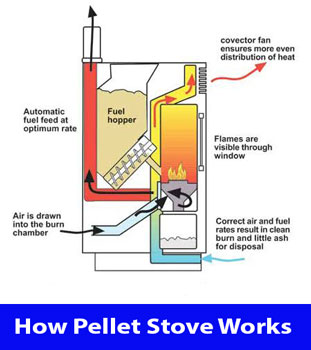 stored in a hopper and automatically delivered to the combustion chamber by an electrically powered auger. The rate at which pellets are supplied controls the amount of fuel being burned and helps regulate the heat produced by the appliance.
Unlike a conventional wood stove that can operate without electricity, a pellet stove depends on several electrical and mechanical components. Depending on the appliance, these can include an auger motor, combustion blower, room-air blower, electronic control board, temperature sensors and safety switches. A failure of one of these components can prevent the stove from operating correctly or cause the appliance to shut down.
A combustion blower helps establish the draft required for proper burning and moves combustion gases through the venting system to the exterior. A separate circulation blower is commonly used to move room air around the heated portions of the appliance and return warmed air to the living space.
Because pellet stoves combine a solid-fuel appliance with mechanical and electrical components, regular cleaning and maintenance are particularly important. Ash accumulation, restricted airflow, dirty components or problems with the pellet-feed system can affect both the performance and safe operation of the stove.
Pellet Stove Venting Systems
Pellet stoves require a venting system specifically designed and approved for pellet-burning appliances. Unlike a conventional wood stove chimney, pellet venting is designed to handle the combustion gases produced by the appliance while operating with the stove's mechanical exhaust system.
The vent must be correctly sized for the appliance and installed according to the manufacturer's instructions. Vent sections and joints must be properly connected and sealed, and the system must maintain the required clearances from combustible building materials. The number of elbows, horizontal runs and overall vent configuration can also affect appliance performance.
Pellet venting may terminate through an exterior wall or extend vertically through the building or an existing chimney, depending on the appliance and installation. Where an existing masonry chimney is used as part of the installation, an appropriate liner or venting system may be required rather than simply discharging the pellet stove into the existing chimney flue.
During a WETT inspection, the accessible venting system, connections, clearances, termination and general installation are examined for conditions that could affect the safe operation of the pellet stove.
Pellet Stove Clearances to Combustible Materials
Pellet stoves must maintain specified clearances from combustible materials such as walls, wood trim, furniture, flooring and other building components. Although many pellet stoves can be installed with smaller clearances than conventional wood stoves, the required distances depend on the particular appliance and its certified installation requirements.
Clearances can differ at the sides, rear and front of the appliance. Corner installations may also have their own clearance requirements. These dimensions should not be assumed simply because another pellet stove appears to have been installed in a similar manner. The manufacturer's installation instructions and certification information are important when evaluating the installation.
Floor protection may also be required beneath and around the appliance. The size and type of protection depends on the stove and its installation requirements, including the required extension in front of loading or ash-removal openings.
During a WETT inspection, accessible clearances and floor protection are checked against the requirements applicable to the pellet stove. Changes made after installation—such as adding wood trim, shelving or other combustible materials near the appliance—can also create clearance concerns that were not present when the stove was originally installed.
Pellet Stove Electrical Requirements
Unlike a conventional wood stove, a pellet stove requires electricity to operate. The auger, combustion blower, circulation blower, electronic controls and safety devices all depend on an electrical supply. If electrical power is lost, the pellet feed and blowers will stop operating, making the electrical installation an important part of the overall system.
The appliance should be connected in accordance with the manufacturer's installation instructions. Power cords and receptacles should not be exposed to excessive heat or positioned where they can be damaged by the appliance, venting system or routine servicing. Extension cords should not be used as a substitute for a properly located permanent receptacle.
Because the exhaust system normally relies on an electrically powered combustion blower, a power failure can also affect how remaining smoke and combustion gases are vented. The venting system and appliance installation therefore need to be designed for the operating characteristics of the particular pellet stove.
During an inspection, accessible electrical components can be examined for obvious installation concerns, damaged cords, unsuitable connections and other visible conditions that may affect the safe operation of the pellet stove.
Pellet Stove Cleaning and Maintenance
Pellet stoves require regular cleaning because ash and fine particles produced during combustion can accumulate inside the appliance and venting system. Even though pellets generally burn efficiently, deposits can restrict airflow and reduce the stove's ability to burn and vent properly.
Routine maintenance commonly includes cleaning the burn pot, removing ash from the firebox and ash collection areas, and keeping accessible air passages clear. The heat exchanger and blower areas may also require periodic cleaning according to the manufacturer's instructions. The frequency of cleaning depends on the appliance, how often it is used and the quality of the pellets being burned.
The venting system also requires inspection and periodic cleaning. Fly ash and other deposits can accumulate inside pellet venting, particularly around elbows, horizontal sections and other areas where airflow changes direction. Excessive accumulation can restrict exhaust flow and affect combustion performance.
Mechanical components such as the auger, motors and blowers should also be maintained according to the manufacturer's recommendations. Unusual noises, poor pellet feeding, excessive soot, frequent shutdowns or changes in the appearance of the flame can indicate that the appliance requires cleaning, servicing or further investigation.
Pellet Stove Fuel and Proper Combustion
Pellet stoves are designed to burn manufactured pellets made from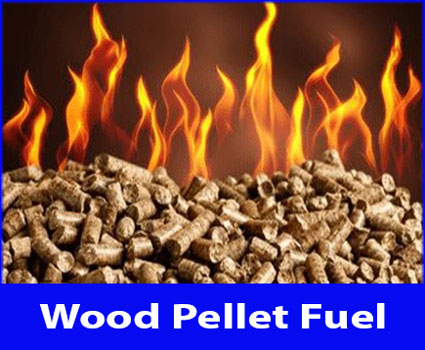 compressed wood material. Pellet quality can affect how efficiently the stove operates, the amount of heat produced and how much ash accumulates inside the appliance. Pellets should be kept dry because moisture can cause them to swell, break apart and interfere with the fuel-feed system.
Proper combustion depends on the correct balance between fuel delivery and combustion air. The auger supplies pellets to the burn pot while the combustion blower provides the airflow necessary to maintain the fire and exhaust combustion gases. Restricted air passages, a dirty burn pot or problems with the exhaust system can disturb this balance and result in poor combustion.
Signs of poor combustion can include excessive soot, unusually heavy ash deposits, a weak or lazy flame, dark deposits on the viewing glass or frequent appliance shutdowns. These conditions may indicate that cleaning, adjustment or servicing is required.
Only the fuel specified by the appliance manufacturer should be burned in a pellet stove. Using unsuitable fuel can affect combustion, damage components and create deposits within the appliance or venting system.
Pellet Stove Safety Controls
Pellet stoves incorporate several safety controls designed to monitor the appliance and shut it down when abnormal operating conditions occur. Depending on the model, these may include temperature sensors, pressure or vacuum switches, hopper switches and other controls connected to the stove's electronic control system.
A pressure or vacuum switch can monitor conditions within the combustion and venting system. If proper draft cannot be maintained because of a blocked vent, open door, failed combustion blower or another problem, the control may interrupt the pellet feed and shut down the appliance. Temperature sensors can also be used to control blowers and protect the stove from overheating.
These safety devices should never be bypassed simply to keep a malfunctioning pellet stove operating. Repeated shutdowns are an indication that the appliance, venting system or one of its components may require cleaning, adjustment or professional servicing.
During a WETT inspection, the primary focus is the installation of the solid-fuel-burning appliance and its venting system rather than troubleshooting its electronic controls. Visible modifications, damaged components or evidence that safety devices have been bypassed, however, are important conditions that should be investigated.
WETT Inspection of a Pellet Stove
A WETT inspection of a pellet stove includes an examination of the accessible compon
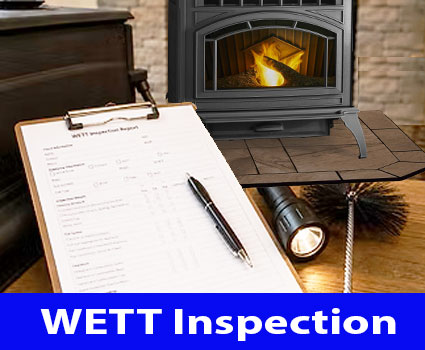
ents of the appliance, its installation and the venting system. The inspection considers whether the stove has been installed with appropriate clearances, floor protection and venting for the particular appliance.
The venting system is an especially important part of the inspection. Accessible vent sections, joints, supports, clearances and the exterior termination are examined for installation concerns. Where the vent passes through a combustible wall, ceiling or other building component, the appropriate listed components and required clearances are important considerations.
The appliance manufacturer's certification label and installation instructions provide important information for evaluating the installation. Different pellet stove models can have different requirements, so an installation should not be judged solely by comparing it with another pellet stove.
A WETT inspection is not the same as servicing or repairing the pellet stove. Internal motors, electronic controls and other mechanical components are not dismantled or tested as part of a typical inspection. Where operational problems, damaged components or other concerns are identified, servicing by a qualified technician may be recommended.
More WETT Inspection Information
For more information about wood-burning appliances and their installation, visit our WETT Inspections Barrie page. You can also review our WETT Inspection Checklist for additional information about the items considered when inspecting a wood-burning system.
Call or Email to Book Your Home Inspection
The Barrie Home Inspector is Available 7 Days a Week for your convenience.
Inspection Areas
Barrie • Alliston • Angus • Innisfil • Wasaga Beach • Orillia • Midland • Penetanguishene