Wood Safety – Wood-Burning Appliances
Wood-burning appliances provide warmth and comfort, but proper installation, regular maintenance and safe operation are essential to protecting your home and family. Understanding wood safety can help homeowners recognize potential fire hazards associated with wood stoves, fireplaces, chimney systems and combustible materials. The Barrie Home Inspector provides WETT inspections throughout Barrie and Simcoe County, helping homeowners identify visible installation concerns and better understand the safety requirements of their wood-burning appliances.
Understanding Wood Safety
Wood safety begins with understanding the proper installation, operation and maintenance of wood-burning appliances. Wood stoves, fireplaces and chimney systems operate at high temperatures and must be installed with appropriate clearances from combustible materials. Improper installations, damaged chimney components and excessive creosote buildup can create serious fire hazards. Regular inspections, proper maintenance and following manufacturer installation requirements help homeowners enjoy the warmth of wood heating while reducing the risk of chimney fires and other safety concerns.
Safe Installation of Wood-Burning Appliances
Proper installation is one of the most important aspects of wood safety. Wood stoves, fireplace inserts and other solid-fuel-burning appliances must be installed according to the manufacturer's instructions and applicable building codes and safety standards. Adequate clearances from combustible walls, floors, ceilings and furnishings are essential to reducing fire hazards. Chimney connections, floor protection and ventilation must also be considered. Improper installations can allow excessive heat to reach nearby combustible materials, potentially causing a fire. Homeowners should ensure their appliances are properly installed and inspected by a qualified professional.
Chimney Safety and Proper Installation
A properly installed and maintained chimney is essential for the safe operation of wood-burning appliances. Chimneys must be correctly sized for the appliance, constructed of suitable materials and installed with adequate clearances from combustible building components. Damaged chimney liners, deteriorated masonry, improper connections and excessive creosote deposits can increase the risk of chimney fires and carbon monoxide entering the home. Exterior chimneys may also experience colder operating temperatures, contributing to condensation and creosote accumulation. Regular chimney inspections and cleaning help identify potential hazards before they become serious problems.
Learn more about Chimneys, Outside Chimneys and Chimney Location for Wood Stoves.
Maintenance of Wood-Burning Appliances
Regular maintenance is essential for keeping wood stoves, fireplaces and chimney systems operating safely and efficiently. Burning seasoned, dry firewood helps reduce smoke and creosote accumulation, while proper airflow promotes more complete combustion. Homeowners should regularly inspect accessible stove pipes, door gaskets, firebricks and other appliance components for signs of deterioration or damage. Chimneys and flue systems should be inspected at least annually and cleaned as necessary by a qualified professional. Creosote deposits, blocked flues and damaged components can increase the risk of chimney fires and carbon monoxide exposure. Smoke alarms and carbon monoxide alarms should also be installed and maintained according to applicable requirements.
For additional information, visit our Maintenance of Wood Burning Appliances guide.
Home Insurance and Wood-Burning Appliances
Homeowners with wood stoves, fireplaces or other solid-fuel-burning appliances should understand their insurance company's requirements. Many insurance providers request a WETT inspection before providing or renewing coverage for a home with a wood-burning appliance. These inspections help identify visible installation deficiencies, improper clearances, chimney concerns and other potential fire hazards.
Insurance requirements vary between companies, and some may request documentation confirming that identified deficiencies have been corrected. A WETT inspection does not guarantee insurance approval, but it provides valuable information about the condition and installation of the appliance and its venting system. Homeowners should always confirm their insurer's specific requirements before arranging an inspection.
Learn more about our WETT Inspections in Barrie and how an inspection can help homeowners understand potential wood-burning appliance safety concerns.
Understanding WETT Inspections and Certification
WETT stands for Wood Energy Technology Transfer, a Canadian organization that provides training and certification for professionals working with wood-burning appliances and chimney systems. WETT-certified professionals have completed specific training and experience requirements related to solid-fuel-burning appliances, installation practices and safety standards.
A WETT inspection involves a visual assessment of accessible components of a wood stove, fireplace, chimney or other solid-fuel-burning system. The inspector looks for visible deficiencies, including inadequate clearances, improper chimney connections, damaged components and installation concerns. It is important to understand that WETT certifies qualified individuals, not individual appliances or installations. A WETT inspection report documents the observations and limitations of the inspection rather than guaranteeing that an appliance is completely safe.
Choosing a Qualified WETT Inspector
Choosing a qualified WETT inspector is an important step in evaluating the condition and installation of your wood-burning appliance. Homeowners should look for a professional with current WETT certification, practical inspection experience and a thorough understanding of wood stoves, fireplaces, chimney systems and applicable safety standards.
An experienced inspector can identify visible installation deficiencies, inadequate clearances, deteriorated components and other conditions that may require attention. A written inspection report should clearly describe the findings and recommend further evaluation or corrective work where necessary.
The Barrie Home Inspector provides WETT inspections throughout Barrie and Simcoe County, backed by over 20 years of home inspection experience. Our inspections help homeowners better understand their wood-burning systems and identify potential safety concerns before they become serious problems.
Preventing Chimney Fires and Creosote Buildup
Creosote buildup is one of the most common fire hazards associated with wood-burning appliances. Creosote forms when smoke, moisture and unburned combustion products cool and condense on the interior surfaces of chimney flues. Over time, these deposits can accumulate and become highly combustible, increasing the risk of a chimney fire.
Burning wet or unseasoned firewood, restricting combustion air and operating an appliance at low temperatures for extended periods can contribute to excessive creosote accumulation. Homeowners should burn properly seasoned firewood, follow the appliance manufacturer's operating instructions and arrange regular chimney inspections and cleaning by a qualified professional.
Chimney fires can damage flue liners, masonry and nearby combustible building materials. Some chimney fires occur without obvious warning signs, making regular maintenance particularly important. A clean, properly maintained chimney helps improve appliance performance while reducing potential fire hazards.
Wood Stove Clearances and Fire Protection
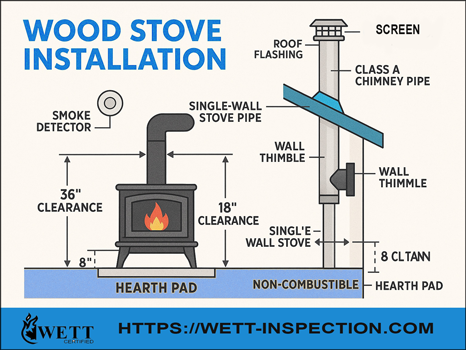
Maintaining proper clearances between wood-burning appliances and combustible materials is essential for preventing house fires. Wood stoves, stovepipes and chimney systems generate considerable heat, which can damage nearby walls, ceilings, flooring and structural components when adequate separation is not provided.
Required clearances depend on the appliance manufacturer's installation instructions, the type of chimney or connector pipe and applicable safety standards. Combustible materials such as wood framing, drywall with wood studs, furniture and stored firewood must be kept at appropriate distances from hot surfaces.
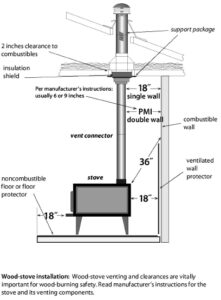
Approved heat shields and other clearance-reduction systems may permit reduced distances when installed according to applicable requirements. However, installing decorative brick, stone or ceramic tile directly over a combustible wall does not automatically make the installation safe.
Proper floor protection is equally important, particularly around appliance loading doors where hot embers may escape. Homeowners should never assume an existing installation meets current safety requirements simply because it has been used for many years.
Learn more about Reducing Clearances and the importance of proper protection around wood-burning appliances.
Safe Operation of Wood Stoves and Fireplaces
Safe operation of wood-burning appliances requires proper burning practices and an understanding of how the appliance functions. Homeowners should use dry, seasoned firewood and avoid burning household garbage, treated lumber, painted wood, plastics or other materials that can produce harmful emissions or damage the appliance and chimney system. Using properly seasoned hard wood prevents harmful build up of Creosote which can lead to dangerous chimney fires.
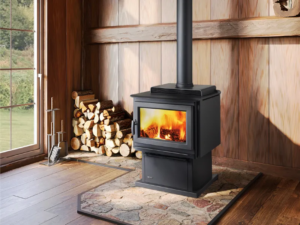
Combustion air controls should be operated according to the manufacturer's instructions. Restricting airflow excessively can result in incomplete combustion, increased smoke production and creosote accumulation. Overfiring an appliance can also cause serious damage to stove components, chimney connectors and surrounding materials.
Never use gasoline, lighter fluid or other flammable liquids to start or accelerate a wood fire. Keep combustible materials away from the appliance, use a suitable fireplace screen or keep stove doors properly closed, and dispose of ashes in a covered metal container stored outdoors on a non-combustible surface, away from buildings.
Properly maintained smoke alarms and carbon monoxide alarms provide additional protection. Following safe operating practices helps reduce fire hazards and supports the efficient operation of wood-burning appliances.
Recognizing Warning Signs of Wood-Burning Appliance Problems
Wood-burning appliances and chimney systems can develop problems that are not always immediately obvious to homeowners. Warning signs may include smoke entering the living area, unusual odours, excessive creosote accumulation, deteriorated stovepipe connections, cracked firebricks or visible corrosion around chimney components.
Water stains near a chimney, damaged masonry, loose chimney flashing and evidence of moisture entering the flue system may also indicate conditions requiring further investigation. Discolouration or scorching of nearby walls, ceilings and combustible materials can be particularly concerning, as these conditions may indicate excessive heat exposure or inadequate clearances.
Homeowners should never ignore unusual operating conditions or visible signs of deterioration. If a serious safety concern is suspected, discontinue using the appliance until it has been evaluated by a qualified professional. Early identification and correction of deficiencies can help prevent costly damage and reduce the risk of fire or carbon monoxide exposure.
WETT Inspections in Barrie and Simcoe County
A professional WETT inspection provides homeowners with valuable information about the visible condition and installation of their wood-burning appliances and chimney systems. Whether you are purchasing a home, installing a wood stove, obtaining home insurance or evaluating an existing fireplace, an inspection can help identify deficiencies that may affect safe operation.
The Barrie Home Inspector provides WETT inspections throughout Barrie, Innisfil, Alliston, Orillia, Midland, Wasaga Beach and surrounding Simcoe County communities. With over 20 years of home inspection experience, we provide detailed observations and written reports to help homeowners understand their wood-burning appliances and any concerns requiring attention.
Call or Email to Book Home Inspection
The Barrie Home Inspector is available 7 Days a Week for your convenience.
Inspection Areas
Barrie • Alliston • Angus • Innisfil • Wasaga Beach • Orillia • Midland • Penetanguishene