
Plumbing Defect Pictures
Plumbing defects are commonly found during home inspections and can range from minor leaks to serious drainage, water supply and installation problems. A home inspection can identify visible signs of leaking or deteriorated pipes, improper plumbing connections, drainage problems and other conditions that may require repair or further evaluation by a qualified plumber.
Leaking & Deteriorating Plumbing Pipes
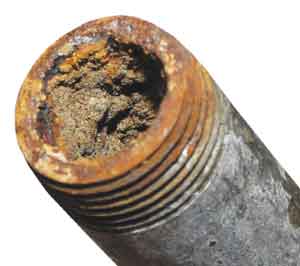
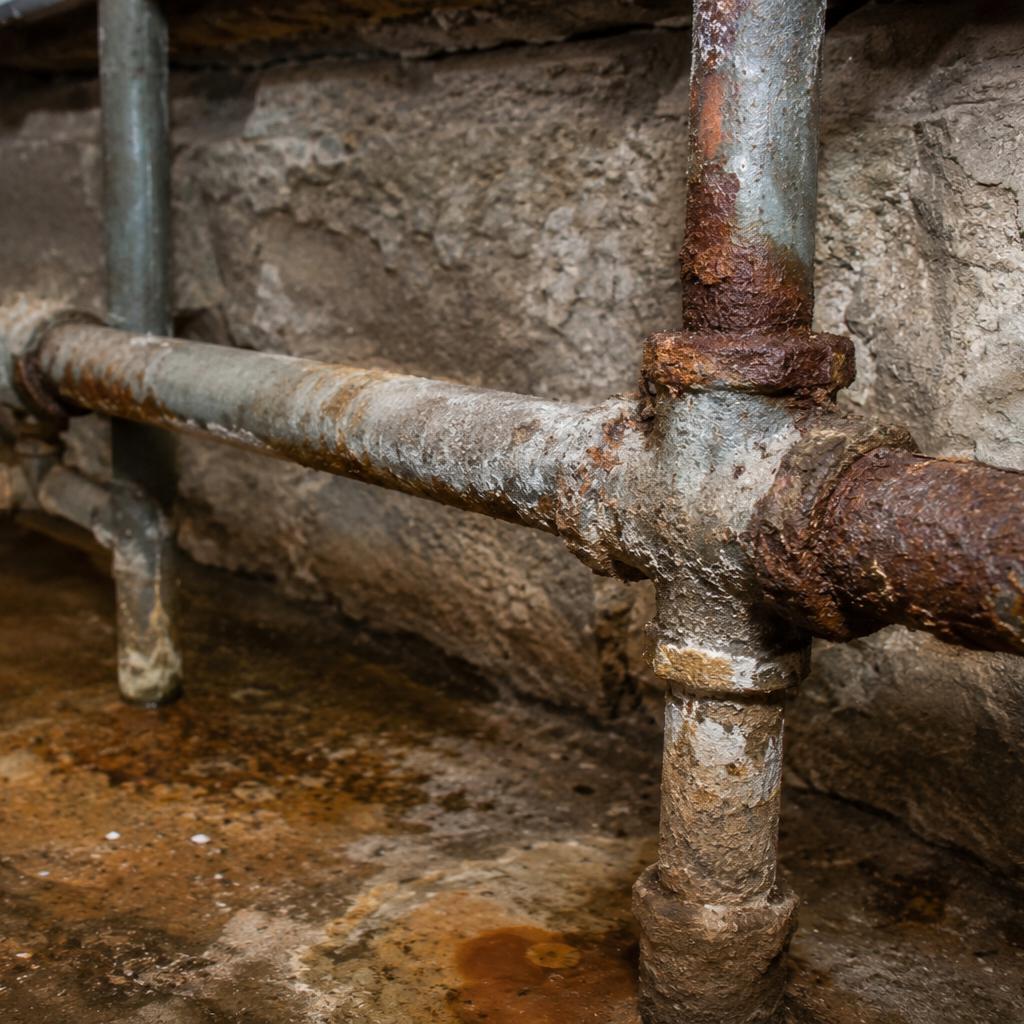
Galvanized steel water supply piping was commonly installed in older homes, particularly from the 1920s through the 1950s and into the 1960s. The typical life expectancy of galvanized plumbing is approximately 40 to 60 years, although its actual service life depends on water conditions, pipe quality and installation.
As galvanized pipes age, they can corrode both internally and externally. Internal corrosion gradually reduces the inside diameter of the pipe, which can restrict water flow and result in poor water pressure. Exterior rust, corrosion around fittings and evidence of previous leakage are also common signs of deterioration.
Because most original galvanized plumbing found in homes today has exceeded its expected service life, significant corrosion may indicate that sections of the water supply system should be replaced. A home inspection can identify visible galvanized piping and signs of deterioration, although concealed piping inside walls and ceilings cannot normally be evaluated.
Improper Drain & Trap Installations
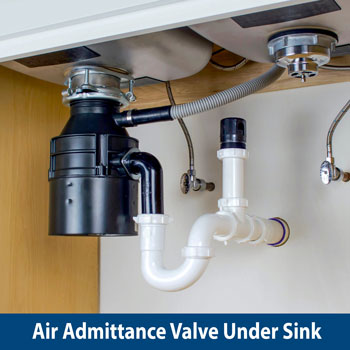
An air admittance valve (AAV) is a mechanical venting device used to allow air into a drainage system when wastewater is discharged. The valve opens when negative pressure develops in the drain and closes afterward, helping prevent sewer gases from entering the home. AAVs are often used where connecting a fixture to a conventional vent stack is difficult.
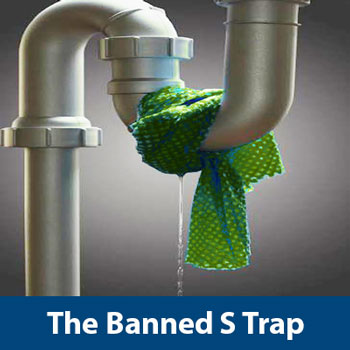
The S-trap is no longer permitted for new plumbing installations because it can siphon water from the trap as wastewater flows down the drain. Once the water seal is lost, sewer gases can enter the home through the fixture drain. S-traps are still commonly found in older homes and are an important plumbing defect to identify during a home inspection.
Drainage & Waste Pipe Defects
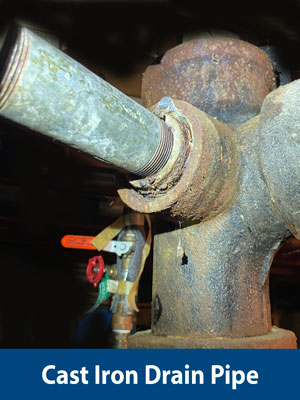
Older cast iron piping can also develop rust, cracking and deterioration that may not be readily visible from the exterior. Galvanized drainage piping is particularly susceptible to internal corrosion and restriction as it ages. When these older materials are found during a home inspection, their condition, visible connections and evidence of leakage should be carefully examined.
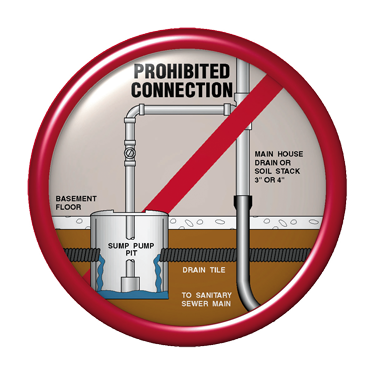
Sump pumps should not discharge into the municipal sanitary sewer system. Connecting a sump pump to a sanitary drain introduces groundwater into the sewer system, increasing the volume of water that must be treated and contributing to sewer overloading during periods of heavy rainfall. Sump pump discharge should be directed to an approved location where the water can drain safely away from the foundation without creating a hazard or affecting neighbouring properties.
Additional Plumbing Defects
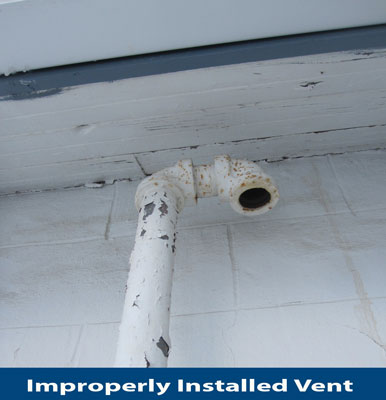
Plumbing vent pipes must terminate outdoors in an approved location and extend a minimum of 6 inches (150 mm) above the roof surface. This vent pipe runs up the exterior wall and terminates beneath the soffit rather than extending through the roof. Improper vent termination can allow sewer gases and odours to enter the building through nearby soffit openings, windows or other openings and should be corrected by a qualified plumber.
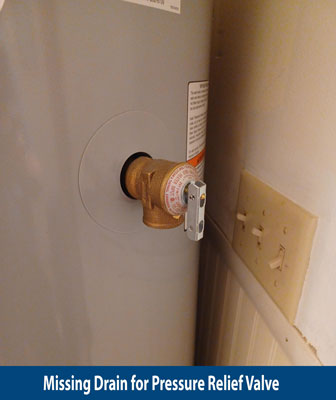
The temperature and pressure relief (T&P) valve is an important safety device on a water heater. It is designed to open if excessive temperature or pressure develops inside the tank. The valve must have a properly installed discharge pipe so that hot water or steam released by the valve is directed to a safe location. Missing, restricted, capped or improperly installed discharge piping can create a serious safety hazard and should be corrected.
Learn More About Home Inspections
Plumbing is only one of the many systems evaluated during a home inspection. Learn more about our Barrie Home Inspections, view additional examples in our Home Inspection Defect Gallery, or explore our home inspection information pages to learn about common defects found in homes throughout Barrie and Simcoe County.
Call or Email to Book a Home Inspection
The Barrie Home Inspector is available 7 Days a Week for your convenience.
Inspection Areas
Barrie • Alliston • Angus • Innisfil • Wasaga Beach • Orillia • Midland • Penetanguishene