
Fireplace Inserts and WETT Inspectons
Fireplace inserts are an efficient way to improve the performance of an existing masonry fireplace, but proper installation is essential for safe operation. During a WETT inspection, the fireplace insert, chimney connection, flue liner, clearances and surrounding combustible materials are inspected for installation and safety concerns.
Fireplace Insert Installation
Fireplace inserts are designed to fit inside an existing masonry fireplace and may be constructed of steel or cast iron. Proper installation is important because the insert must be correctly connected to the chimney system so that smoke, gases and combustion products are safely carried to the exterior.
Chimney Liners and Fireplace Inserts
When a wood-burning fireplace insert is installed in an existing masonry fireplace, it requires an approved, properly rated chimney liner system suitable for the appliance and installation. The liner provides a continuous passage for smoke and combustion gases from the insert to the top of the chimney.
Older fireplace insert installations were sometimes installed without a proper liner connection, allowing the appliance to vent directly into the existing fireplace or smoke chamber. These installations can create problems with draft, creosote accumulation and the safe venting of combustion gases.
During a WETT inspection, the connection between the fireplace insert and chimney liner is an important part of the inspection. The liner, connection method and installation should be appropriate for the appliance and comply with the manufacturer's installation requirements and applicable standards.
When a wood-burning fireplace insert is installed in an existing masonry fireplace, it requires an approved, properly rated chimney liner system suitable for the appliance and installation. You can learn more about venting requirements on our Wood Stove Flue Pipes page.
Connecting a Fireplace Insert to the Chimney
The connection between a fireplace insert and the chimney liner is a critical part of the installation. The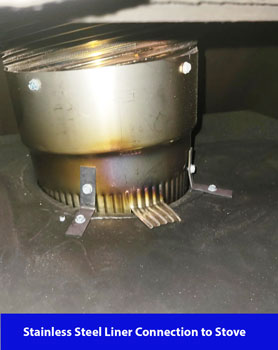 insert should be connected directly to an approved liner so that smoke and combustion gases travel through a continuous venting system from the appliance to the top of the chimney.
Some older fireplace inserts were installed without a direct connection to a chimney liner. In these installations, smoke discharged into the existing fireplace cavity or smoke chamber before entering the chimney flue. This can contribute to poor draft and allow creosote to accumulate in areas that are difficult to inspect and clean.
A properly installed connection also makes servicing and chimney cleaning more effective because the venting system provides a defined path from the appliance through the liner. During a WETT inspection, the insert connection, liner and accessible components of the venting system are examined for installation concerns, deterioration and conditions that may affect safe operation.
Fireplace Insert Blowers and Air Circulation
Many fireplace inserts use a blower to move heated air from around the appliance into the room. The blower does not control the combustion process, but it can significantly improve how effectively heat produced by the insert is distributed throughout the living space.
Because an insert is installed partly inside the masonry fireplace, adequate airflow around the appliance is important. Air enters around the insert, is heated as it passes around the firebox and is then returned to the room naturally or with the assistance of the blower. Blocking the designed air passages can reduce heating performance and may cause excessive temperatures around the appliance.
Blower assemblies also require an electrical supply, which should be properly installed and protected from excessive heat and physical damage. During an inspection, accessible electrical cords, connections and blower components can be checked for obvious defects or unsafe installation.
Creosote and Fireplace Inserts
Creosote is a combustible residue produced when wood smoke cools and condenses inside a chimney. The amount of creosote produced can be affected by factors such as the moisture content of the firewood, operating temperature, draft and the condition of the venting system.
Creosote can develop in different forms, ranging from a loose, flaky deposit to a hard, glazed coating that can be much more difficult to remove. Heavy deposits can restrict the flue and increase the risk of a chimney fire.
Fireplace insert installations require particular attention because creosote may accumulate around improperly connected inserts or within portions of an older masonry fireplace that are difficult to access for cleaning. A correctly installed liner provides a continuous venting path and allows the chimney system to be properly inspected and cleaned.
Regular chimney inspection and cleaning are important parts of maintaining a wood-burning fireplace insert. Evidence of excessive creosote, restricted venting or previous chimney-fire damage should be investigated before the appliance is used.
Fireplace Insert Hearth Protection
Fireplace inserts are installed within an existing masonry fireplace, but many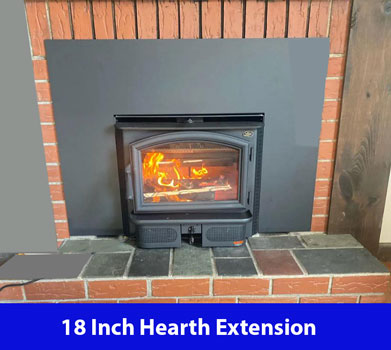 inserts project beyond the face of the original firebox. This can reduce the amount of existing hearth that remains in front of the appliance and its loading door.
The hearth provides non-combustible floor protection from sparks, embers and heat produced when the appliance is operating or the door is opened. A hearth that was adequate for the original masonry fireplace may therefore not provide sufficient protection after a fireplace insert has been installed.
For a fireplace insert installation, the hearth extension is required to extend at least 18 inches in front of the appliance opening. The appliance manufacturer's installation instructions may require additional protection or specify particular dimensions and construction depending on the insert.
During a WETT inspection, the hearth extension, combustible floor clearances and the position of the insert are checked to determine whether adequate floor protection has been provided. An insert projecting too far onto an existing hearth is a common reason additional hearth protection may be required.
Clearances to Combustible Materials
A fireplace insert must maintain the required clearances from combustible materials surrounding the fireplace. This can include wood mantels, decorative trim, framing, flooring and other combustible finishes near the appliance.
Installing an insert changes the way heat is produced and projected from the original fireplace opening. Because the insert may extend beyond the face of the masonry fireplace, nearby combustible materials that were acceptable with the original open fireplace may no longer have adequate clearance from the appliance.
Required clearances vary between fireplace inserts and are normally specified in the manufacturer's installation instructions and appliance certification information. Mantel height, side trim clearance and the distance to combustible flooring are therefore checked against the requirements for the particular appliance whenever that information is available.
During a WETT inspection, inadequate clearance to combustible materials is an important concern because prolonged exposure to heat can increase the risk of ignition.
WETT Inspections for Home Buyers and Insurance
A WETT inspection may be requested when purchasing a home with a wood-burning appliance or when obtaining or renewing property insurance. The inspection report provides information about the visible installation and condition of the wood-burning system and identifies concerns observed during the inspection.
More WETT Inspection Information
For more detailed information about wood-burning systems and inspections, visit our WETT Inspections Barrie page or our WETT Inspection Checklist.
Call or Email to Book a WETT Inspection
The Barrie Home Inspector is available 7 Days a Week for your convenience.
Inspection Areas
Barrie • Alliston • Angus • Innisfil • Wasaga Beach • Orillia • Midland • Penetanguishene