Masonry Chimney Inspection and Common Defects
A masonry chimney is constantly exposed to rain, snow, moisture and repeated freezing and thawing cycles. Even small cracks in the chimney crown, mortar joints or masonry can allow water to enter the structure. As this moisture freezes and expands, deterioration can gradually become more severe, damaging bricks, mortar and other chimney components. A masonry chimney inspection can identify visible signs of deterioration before they develop into more serious structural or safety concerns.
Water Damage to Masonry Chimneys
Water is one of the most common causes of deterioration in masonry chimneys. Rain and melting snow can enter through cracks in the chimney crown, deteriorated mortar joints or damaged masonry. Once moisture enters the chimney, repeated freezing and thawing can gradually enlarge small cracks and accelerate deterioration.
Over time, water penetration can damage bricks, mortar joints and clay flue liners. It can also contribute to rusting of metal components such as dampers and fireplace accessories.
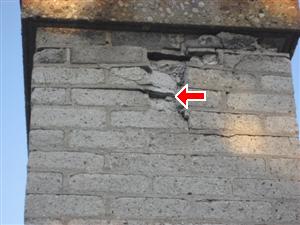
During a masonry chimney inspection, visible signs of moisture penetration, cracking, deteriorated mortar and damaged masonry should be carefully examined.
Chimney Crowns and Caps
The chimney crown is designed to protect the top of a masonry chimney from water penetration. Older chimneys were frequently constructed with individual masonry sections joined together with mortar. Over time, these mortar joints can crack and deteriorate, allowing moisture to enter the chimney structure. Repeated freezing and thawing can cause extensive damage to bricks, mortar joints and clay flue liners.
The Ontario Building Code, Article 9.21.4.6, requires masonry chimneys to have a waterproof cap constructed of reinforced concrete, masonry or metal. The cap must slope away from the chimney liner and incorporate a drip edge extending at least 25 mm (1 inch) beyond the chimney wall. Cast-in-place concrete caps must have a sealed bond break around the chimney liner.
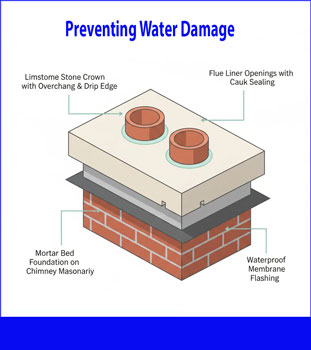
Where jointed precast concrete or masonry chimney caps are installed, the Building Code requires flashing beneath the cap, extending from the chimney liner to the drip edge. This prevents water from penetrating through the joints and entering the masonry below.
During a masonry chimney inspection, the condition of the chimney crown, mortar joints, drip edge and accessible masonry should be examined for cracking, deterioration and evidence of moisture penetration. Damaged chimney crowns are a common source of water infiltration and can lead to expensive repairs when left unattended.
Cracked and Deteriorated Chimney Masonry
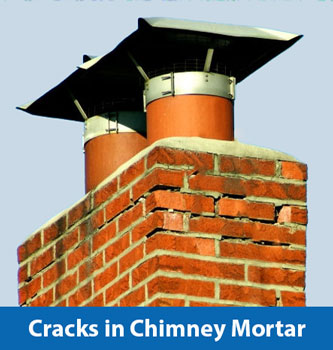
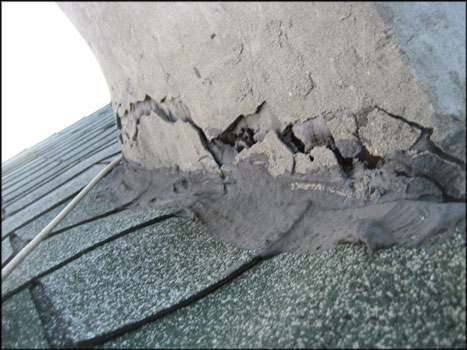
Cracking and deterioration in chimney masonry can develop from age, moisture penetration, freeze-thaw cycles and movement of the chimney structure. Mortar joints often begin to deteriorate before the bricks themselves, creating openings where additional moisture can enter. Bricks that absorb excessive moisture may eventually crack, flake or lose portions of their exterior surface, a condition commonly known as spalling.
Minor deterioration can become progressively worse when left unrepaired. Loose bricks, missing mortar and larger cracks may affect the stability of the chimney and allow water to reach concealed portions of the structure. During a masonry chimney inspection, the accessible brickwork and mortar joints should be examined for cracking, displacement, spalling and other visible signs of deterioration.
Cracked and Damaged Chimney Flue Liners
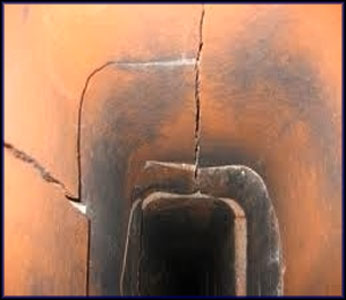
Clay flue liners provide a protective passage for combustion gases as they travel through a masonry chimney. Over time, liners can crack or deteriorate from age, moisture, excessive heat or previous chimney fires. Damaged or separated liner sections can reduce the protection provided to the surrounding masonry and nearby combustible building materials.
Cracked flue tiles are not always visible from the fireplace or from the top of the chimney. A more detailed evaluation may require specialized chimney inspection equipment to examine concealed portions of the flue. Visible cracking, missing sections, displaced tiles or other signs of deterioration should be investigated before the fireplace or wood-burning appliance is used.
Chimney Flashing and Roof Leaks
Chimney flashing is installed where the chimney passes through the roof and is designed to prevent water from entering the building around the chimney. Proper flashing normally includes components that work with the roofing material and the masonry to direct water away from this vulnerable roof penetration.
Loose, damaged, poorly installed or heavily caulked flashing can allow water to enter around the chimney. Signs of leakage may include staining on ceilings or walls, dampness in the attic, deteriorated roof sheathing or damaged finishes around the fireplace and chimney. During an inspection, accessible chimney flashing should be checked for deterioration, improper installation and visible evidence of previous or active water leakage.
Chimney Settlement and Structural Movement
Masonry chimneys are heavy structures that require adequate support. Settlement or movement of the chimney foundation can cause cracking, separation or leaning of the chimney. Cracks may develop in the masonry itself or where the chimney meets the exterior wall of the house. Water and snow can also enter gaps between the chimney masonry and exterior siding. Repeated freezing and thawing of this trapped moisture can contribute to further separation and movement of the chimney.
Visible leaning, displaced bricks, widening cracks or separation between the chimney and building can indicate movement that requires further investigation. Significant structural movement may affect both the stability of the chimney and the integrity of the flue system. During a masonry chimney inspection, these conditions should be identified so that appropriate repairs or further evaluation can be recommended.
Common Signs of Masonry Chimney Deterioration
Common signs of masonry chimney deterioration include cracked or missing mortar joints, spalling bricks, loose masonry, damaged chimney crowns and staining caused by water penetration. White powdery deposits, known as efflorescence, can also appear on the masonry where moisture has moved through the brick or mortar and deposited salts on the surface.
Other warning signs can include leaning or separation from the house, deteriorated flashing, cracked flue tiles and pieces of masonry or mortar collecting around the base of the chimney or fireplace. Water stains on nearby walls or ceilings may also indicate that moisture is entering around or through the chimney. Identifying these conditions early can help prevent relatively minor defects from developing into more extensive chimney repairs.
Why Masonry Chimney Defects Should Not Be Ignored
Masonry chimney defects can become progressively worse when exposed to continued moisture, freezing temperatures and repeated heating and cooling. A small crack in a chimney crown or mortar joint may initially appear minor, but once water enters the masonry, freeze-thaw cycles can enlarge the opening and accelerate deterioration.
Damaged masonry can eventually lead to loose or spalling bricks, deteriorated mortar joints, water leakage and damage to the chimney's flue system. Problems affecting the flue liner can also reduce the protection between hot combustion gases and surrounding building materials. Identifying and repairing chimney defects early can help prevent more extensive and costly repairs while maintaining the safe operation of the fireplace or wood-burning appliance.
Masonry Chimneys and WETT Inspections
A masonry chimney is an important part of a wood-burning system and should be examined for visible defects that could affect its condition or safe operation. Cracked masonry, deteriorated mortar, damaged flue liners, water penetration and structural movement are among the conditions that may be identified during an inspection.
For more information about wood-burning appliances and chimney inspections, visit our WETT Inspections Barrie page or review our WETT Inspection Information page.
Call or Email to Book a WETT Inspection
The Barrie Home Inspector is available 7 Days a Week for your convenience.
Inspection Areas
Barrie • Alliston • Angus • Innisfil • Wasaga Beach • Orillia • Midland • Penetanguishene